

Professional Wildlife Inspection: What to Expect When You Hear Noises in Your Walls

What to Expect When You Hear Noises in Your Walls

Hearing strange sounds coming from inside your walls at night can be unnerving and keep you awake as your mind wanders to determine its cause. Most often, the likely culprit of disturbing interior noises is nuisance wildlife. While an inspection by wildlife removal experts will be able to locate and remove any invasive critters, it’s helpful for both you and the professionals to identify what’s going bump in the night. Here’s how to determine which species of wild animal is making noises in your walls to help speed up the wildlife removal process.

Completing an At-Home Wildlife Inspection: Common Noises Inside Your Walls

Before your wildlife removal expert arrives, you may be able to triage the problem yourself. Below are some of the most common noises you may hear and which animal may be causing it.

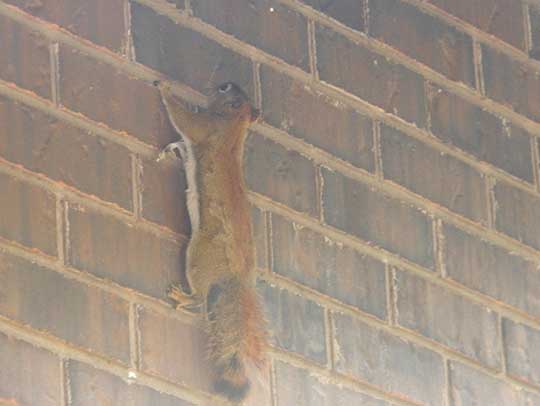
  • Scratching or Scurrying: Scratching, scurrying or pattering noises most likely come from rodents, including mice, rats and squirrels. Squirrels are more active during the day, while you’re likely to hear rats and mice at night. When you hear rodents moving, they’re most likely building their nest, which is their first step towards an infestation.
  • Thumping: Slow thumping noises usually indicate a larger animal has made their way inside. Slow movements or shuffling sounds at night are common signs of a raccoon problem. Raccoons are usually an exterior issue, but they may decide to stay in your attic or basement during nesting season. In their search for food, the critters can easily get stuck inside walls and panic.
  • Chirps and Squeaks: High-pitched chirps or squeaks are usually signs of bats, especially if you hear additional fluttering sounds at dawn and dusk. Bats will nest in large groups, so you may hear an increase of noise as they enter and leave your property to hunt. Another animal that could be behind squeaky noises are baby squirrels. As they get used to their surroundings, they’ll make chirping noises to alert their mother.
  • Fluttering and Scratching: If it’s not accompanied by a squeaking noise, fluttering and scratching sounds are indicative of birds roosting in your attic, vent or chimney space. Like bats, birds can be dangerous and hard to remove if they decide to nest, especially if they lay eggs in your attic.

It’s natural to want to act as soon as you hear these noises, but it is important to not try and capture the animal on your own. While most types of wildlife are scared of humans, they can still bite, scratch or attack if they feel cornered. They may also retreat further into your property, making them more difficult to remove. If you’re hearing noises in your walls, rely on the experts at Critter Control® of Pittsburgh for safe and effective wildlife removal services.

Professional Wildlife Removal Services in Greater Pittsburgh

At Critter Control® of Pittsburgh, our licensed and trained technicians use safe and effective removal methods to quickly, humanely and permanently remove nuisance wildlife from your home. To schedule your comprehensive inspection and receive a free wildlife removal estimate, call us at 412-767-4067.

5 Essential Steps to Prevent Groundhog Infestations

5 Essential Steps to Prevent Groundhog Infestations

Groundhogs are large rodents known for digging a network of underground tunnels and dens. They can become a huge problem for Pittsburgh home and business owners if they decide to nest underneath residential or commercial properties. Their digging not only destroys the landscaping and weakens a lawn’s structural integrity, but their burrow holes can also become dangerous tripping hazards. To protect your yard and your safety, it’s essential to employ the following groundhog prevention methods.

Top 5 Groundhog Prevention Tips

 Preventative steps you can take to fortify your yard and keep nuisance groundhogs away include:

  1. Natural Repellents: Groundhogs have a keen sense of smell that helps them navigate. Use their sensitivity against them by overwhelming groundhogs with scents they can’t stand like garlic, chives, mint, sage and lavender. Planting these crops or sprinkling them around your garden can help drive them away.
  2. Deterrents: Like most rodents, groundhogs are naturally skittish and tend to avoid humans at all costs. Motion-activated deterrents, like water sprinklers or activated lights, can scare them and cause them to flee your property.
  3. Commercial Products: There are several store bought solutions on the market that are tailored specifically for groundhog prevention. Available in granular or liquid form, repellents that mimic predator urine can ward off groundhogs by making them think your property has been claimed. Apply them around your landscaping, especially after rain, but avoid applying to edible crops. 
  4. Landscaping: Groundhogs like tall grass and other vegetation because it offers them a food source and an extra layer of protection. If your grass is cut short, then groundhogs have nowhere to hide and will feel less inclined to burrow through your property.
  5. Professional Groundhog Prevention: While DIY and commercial solutions can provide temporary groundhog relief, removing them fully requires professional intervention. A pest control expert will possess all the necessary tools and expertise to safely groundhog-proof your property and remove any existing groundhog infestations.

Safe and Effective Pittsburgh Groundhog Removal Services

At Critter Control® of Pittsburgh, our licensed and trained technicians use a four-step groundhog removal method to quickly and efficiently get rid of unwanted pests. Our process includes:

  1. Comprehensive Property Inspection
  2. Humane Pest Removal
  3. Damage Restoration Services
  4. Permanent Pest Prevention

The experienced groundhog removal technicians at Critter Control® of Pittsburgh will completely remove nuisance groundhogs and other invasive wildlife from your property and keep them from returning. To schedule your inspection and receive a free groundhog removal estimate, call us today at 412-767-4067.

What Are the Health Risks of Pest Infestations?

What Are the Health Risks of Pest Infestations?

A pest infestation can be disturbing, disruptive and dangerous to your everyday life. Not only are pests a nuisance, but they can spread or trigger diseases that can be harmful or even fatal to humans. Unwanted pests can make your home unsafe for you, your family or any visiting guests. If a pest problem is not immediately resolved, it can quickly grow into a pest infestation that can affect your health in several ways.

Health Risks Caused by a Pest Infestation

Pests infestations can cause significant health problems if not quickly addressed. Therefore, keeping your home clean and scheduling routine pest control services is important. Here are some of the health problems caused by pests and what you can do to protect yourself from harm.

  • Vector-Borne Diseases

Infectious diseases such as Zika virus, Lyme disease and rabies can be carried and spread by a variety of vectors. These include mosquitos, ticks, rodents and other animals. In some cases, repellents can be used to control these vectors.

  • Microbial Diseases and Infections

Bacteria, viruses, prions and protozoans cause microbial diseases and infections in humans. Antimicrobial pesticides can be used to control these organisms and prevent the spread of diseases.

  • Asthma and Allergies

Pests that are typically found indoors can trigger asthma and allergy symptoms. The saliva, droppings and body parts of cockroaches can become airborne and contaminate the air, triggering asthma and allergy symptoms. Dust mites can also trigger such symptoms through contact with their droppings and body parts.

To prevent asthma and allergies caused by indoor pests:

  • Vacuum, mop, dust and wipe down surfaces regularly
    • Fix any leaks
    • Wipe up spills
    • Don’t keep pet food and water bowls out overnight
    • Store food in tightly sealed containers
    • Check cabinets and crevices around appliances for crumbs
    • Regularly dispose of garbage
    • Check paper and cardboard food containers for signs of pests

Signs of a Pest Infestation

In addition to insects, types of invasive wildlife that contribute to Pittsburgh pest infestations include bats, birds, groundhogs, mice, raccoons, rats and squirrels. While you may not necessarily see these pests scurrying around, there may be signs that they are nesting in your home. Common signs of a pest infestation include:

  1. Scurrying, squeaking or scratching sounds coming from behind the walls or in the attic
  2. Bite marks on drywall, cardboard or wiring in the attic
  3. Strong or strange odors throughout your home that are unpleasant
  4. Droppings and stains along floorboards
  5. Knocked over trash cans, trampled soil or disturbed gardens

Attempting to handle or remove nuisance pests on your own can also put you at risk of being bitten, scratched, or stung. Instead of allowing a pest infestation to spread throughout your property and affect your health and safety, rely on the pest control professionals at Critter Control® of Pittsburgh to quickly and permanently put an end to your pest infestation.

Professional Pest Infestation Removal in Pittsburgh, PA

The pest control experts at Critter Control® of Pittsburgh use a proven, four-step method of inspection, removal, restoration and prevention to eliminate pest infestations and keep them from returning. To schedule your inspection and receive a free estimate for our safe and efficient pest control services, call Critter Control® of Pittsburgh today at 412-767-4067.

Beneficial Insects: The Natural Predators of Common Pests

Beneficial Insects: The Natural Predators of Common Pests

While common pests like mosquitoes and houseflies do little more than spread disease, contamination, and painful stings, other insects help provide natural pest control by feeding on the annoying pests that are a general nuisance to your property. In addition to helping control nuisance pest populations, such beneficial insects also help the environment by aiding pollination and reducing the use of chemical pesticides. Here are some beneficial insects that can help prevent or eliminate nuisance pest infestations on your Pittsburgh property.

Common Beneficial Insects and Natural Pest Control Providers

  • Bees – One of the most beneficial insects, bees search for food to take back to their young while simultaneously collecting and carrying pollen to and from flowering plants. While not predators, bees are equipped with stingers that they use to defend themselves and their queen.
  • Wasps – Adult wasps lay their eggs in the body or eggs of pests, including caterpillars, aphids, beetle larvae and sawflies. As the wasp larvae grow, they feed on and kill pests. These parasitic wasps also tend to be specialists that attack a single host species.
  • Tachinid Flies – Adult tachinid flies lay their eggs near, on or inside pests such as caterpillars, grasshoppers, some beetles and sawfly larvae. Once the eggs from these flies turn into larvae, they feed on and kill the pests.
  • Syrphid Flies –Larvae from these flies search for and eat soft-bodied insects. Adult syrphid flies eat pollen and nectar. They also help with pollination.
  • Spiders –These predators feed on a wide variety of insects and mites. Some spiders stalk and hunt insects, while others weave webs to trap insects. Spiders are also often one of the most important biological control agents of garden pests.
  • Predatory Mites – These mites feed on pest mites, scales, thrips and insect eggs. These predatory mites can also limit pest problems in your yard or garden.
  • Predatory Bugs – Predatory bugs feed on pests by piercing their prey and sucking out body fluids. Common predatory bugs include assassin bugs, big-eyed bugs, minute pirate bugs, damsel bugs and predatory stink bugs.
  • Mantids – These insects are commonly found in gardens. They tend to wait for foraging insects on flowers, capturing them and holding prey.
  • Lady Beetles – Also known as ladybugs, the larvae of these predators eat soft-bodied pests, scales, spider mites, mealybugs, thrips and whiteflies.
  • Insect Parasitic Nematodes – These soil-dwelling organisms can infect and kill a variety of insect hosts.
  • Ground Beetles – Ground beetles are usually found under debris, in soil cracks or moving quickly along the ground. They typically feed on soil-dwelling insects, caterpillars, millipedes, slugs and snails.
  • Green Lacewings – The larvae of lacewings are vicious predators that feed on small caterpillars, beetles and soft-bodied insects.
  • Rove Beetles – The larvae of rove beetles seek out and eat the larvae of root maggots.
  • Soil Invertebrates – These organisms break down soil by feeding on decaying plant matter, fungi and algae. Some common types of soil invertebrates include springtails and earthworms.
  • Pathogens – Some varieties of fungi, bacteria, nematodes and viruses can help regulate the number of pests.

Pittsburgh’s Natural Pest Control Experts

Instead of introducing beneficial insects to your property to help eliminate nuisance pests, rely on the effective, safe and affordable pest control services provided by the experts at Critter Control® of Pittsburgh to permanently remove invasive pests and their nests from your home or business. Call 412-767-4067 today to schedule your inspection and receive a free estimate for our fast and efficient natural pest control services.

Hotels and Hospitality: How Pest Management Impacts Guest Experience

Hotels and Hospitality: How Pest Management Impacts Guest Experience

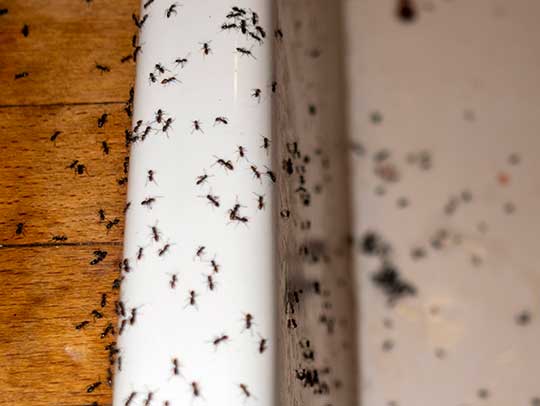
Hotels are designed as a place for traveling guests to enjoy a relaxing and welcoming getaway, however, they may also host a few unwanted guests from time to time. The last thing a guest wants to find in their hotel room is a pest infestation. Aside from causing a nuisance, unwanted pests can ruin a guest’s stay. In order to prevent these critters from lodging in your hotel, implementing pest management measures is essential.

Impacts of Pest Infestations on Hotels and Resorts

Apart from being annoying, there are several negative impacts a pest infestation can have on your hotel. Some of the effects include:

  • Poor Guest Experience: When visitors stay at your hotel, they’re expecting a clean home away from home. Dealing with pests such as ants, roaches, or bed bugs can result in severe discomfort, leading to complaints and bad reviews.
  • Reputation Damage: The longer you have the pest problem on your hospitality property, the worse your reputation will become. Even one major pest incident posted online or on social media can impact your hotel’s reputation.
     
  • Property Damage: Pests can also have a physical impact on your hotel. Some insects, such as termites, will eat away at wooden structures. Rodents will also chew through materials and tend to nest in dark areas like attics, crawl spaces, or in between walls. Their constant gnawing and unsanitary behaviors can put your building’s structural integrity at risk, compromise critical wiring, and contaminate insulation.
  • Health Risks: A pest infestation can lead to serious health risks for hotel guests and staff members. Pests can contaminate common areas and food and water sources, and their droppings can carry bacteria that can spread serious illness. If pests make their way into the ventilation system, they can spread allergens throughout the hotel.

The Importance of Professional Pest Management for Your Hotel

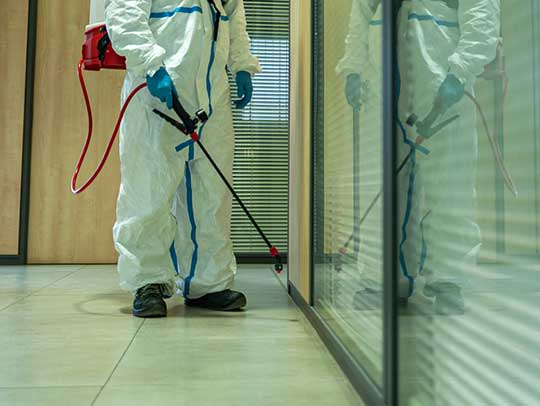
To keep your hotel compliant with local regulations and ensure a clean environment for your guests, it’s crucial to invest in preventative pest control. Not only will it help you maintain top standards of cleanliness, but your guests and staff will be happy knowing they’re in a pest-free environment. Therefore, if you need pest control services for your Pittsburgh-area hotel, rely on the experts at Critter Control® of Pittsburgh.

Expert Pest Management Services in Pittsburgh

At Critter Control® of Pittsburgh, we use our safe, non-toxic and effective CritterSafe® methods to successfully eliminate commercial pest problems and prevent them from returning. Our four-step process includes:

  1. Inspection: Our pest control technician will conduct a thorough walkthrough of your property to find the source of the pest, determine the infestation extent and locate pest entry points.
  2. Removal: Using our eco-friendly and humane methods, our team will work with you to come up with a removal plan that fits your budget and needs.
  3. Restoration: Any property damage caused by the pest infestation is restored to its pre-infestation condition.
  4. Exclusion: Entry points are sealed to prevent pests from returning.

To protect your commercial property from nuisance pests and invasive wildlife, rely on the experts at Critter Control® of Pittsburgh. Schedule your inspection and receive a free estimate for our quick and effective pest management services by calling Critter Control® of Pittsburgh today at 412-767-4067.

Warehouses and Industrial Spaces: Controlling Pests for Safety

Warehouses and Industrial Spaces: Controlling Pests for Safety

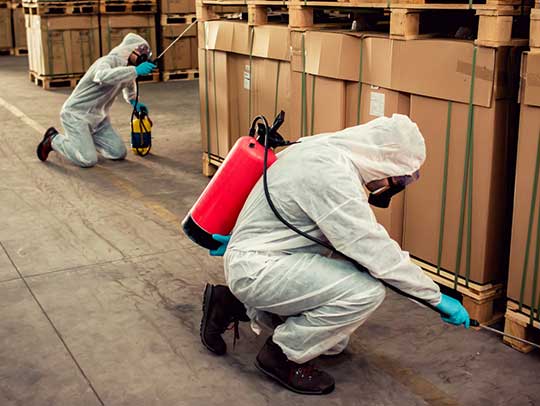
Productivity is key when it comes to serving customer expectations, so warehouses and industrial spaces must be kept organized to run efficiently. However, something as tiny as a single invasive pest can have a massive impact on your industrial space’s safety and quality of service. Here is why industrial pest control is so important for your warehouse.

Dangers of Pests in Warehouses

Despite their small size, pests can have severely negative effects on your warehouse’s efficiency.  Some of the biggest dangers of pests in an industrial space include:

  • Property Damage: Pests can potentially ruin your stored products. Insects like termites can chew through packaging as well as wooden beams, putting products and the warehouse’s infrastructure at risk. While other critters such as rodents will often nest in packaging material, contaminating the products inside. Not only will pest infestations lose you revenue with damaged goods, but it can also cost you serious money in property repairs and cleanup costs.
  • Less Productivity and Morale: Seeing pests on the job can be a seriously distracting and unpleasant experience for warehouse employees, and dealing with them will take time away from their busy schedule of prepping products for customers. Having to work around a growing pest problem can severely impact your warehouse’s productivity. Additionally, warehouse employees will not want to and should not have to work in an infested space.
     
  • Health and Safety Risks: In addition to being a nuisance, pests can cause safety hazards and compromise the health of warehouse employees. Pest feces and urine can become slippery, creating a fall hazard in heavily traveled walkways. Pest droppings can also trigger allergic reactions to those with allergies and respiratory issues. Many pests can also bite, sting and scratch if encountered which could transmit diseases, bacteria, and viruses.

The Problem with Store-Bought Commercial Pest Control

To protect the health and well-being of your employees and keep your warehouse’s reputation intact, you’ll want pest control services that will both treat and prevent any and all pest problems. While store-bought sprays, bombs, and chemical solutions can be temporarily effective, they won’t provide any long-term solutions for your commercial space and could actually create a literal toxic work environment. Instead, you’ll want an industrial control expert with the proper licenses, training and experience to permanently protect your warehouse. Fortunately, Critter Control® of Pittsburgh is here to help.

Trusted Industrial Pest Control for Your Warehouse Space

At Critter Control® of Pittsburgh, our industrial pest control technicians work fast to eliminate infestations and prevent critters from returning. Our four-step CritterSafe® method uses safe, non-toxic and effective techniques to remove the pests quickly and humanely. This process includes:

  1. Inspection: Our team begins by conducting a thorough walkthrough of your business’ interior and exterior to determine the size and extent of the infestation and determine pest entry points.
  2. Removal: Using non-toxic and eco-friendly practices, we’ll develop a removal plan that fits your budgetary needs.
  3. Restoration: Damages caused by the pest infestation are restored to their original condition.
  4. Exclusion: Entry points are sealed to prevent future pest problems from occurring.

Whether you have an existing pest problem or want to prevent one from developing, rely on the experienced commercial pest control team at Critter Control® of Pittsburgh. To schedule your inspection and receive a free pest control estimate, call us today at 412-767-4067.

Restaurants and Pest Control: Maintaining Hygiene and Compliance

Restaurants and Pest Control: Maintaining Hygiene and Compliance

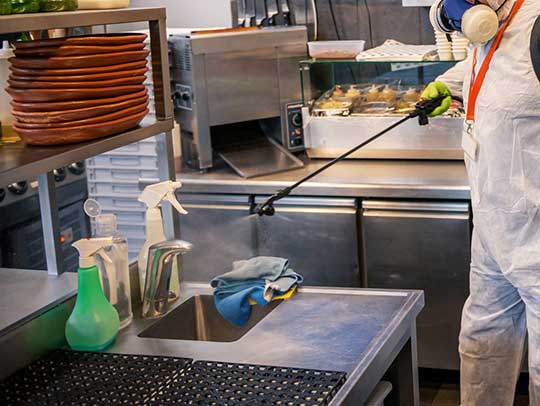
A pest problem in a restaurant can contaminate food, ruin the establishment’s reputation, and potentially put it out of business. Fortunately, pest control practices are a standard part of health code compliance that help ensure restaurants stay safe and clean for customers to enjoy. Here are some of the signs of restaurant pest infestations and how invasive pests can be combated and removed from your eating establishment.

Signs of Common Restaurant Pests

Because they have an abundant source of easily accessible food, restaurants are a big target of pests like rodents, cockroaches, and ants. However, pests such as beetles, weevils and moths can also enter restaurants through packaged food. If you notice any of the following signs of an infestation, it’s time to  contact professional pest control services:

  • Droppings: Pests will leave droppings or eggs in populated areas, such as the kitchen, bathrooms, and dining rooms.
  • Damaged equipment: Rodents and insects will gnaw through plastic packaging to get access to and contaminate food sources.
  • Strong ammonia smell: Rodent urine gives off a strong ammonia smell, especially when it sits and accumulates.
  • Noises in walls and cabinets: As pests move throughout a restaurant, they will make noticeable scratching, squeaking, and crawling noises.

Restaurant Pest Control Methods

To ensure you maintain hygiene and compliance codes and keep your restaurant pest-free, it’s important to take the following preventative pest control measures:

  • Proper Sanitation: Make sure your food is properly sealed and kept at least six feet off the floor. Follow disposal regulations, and make sure sanitation practices are in place and followed. Keep open food and water sources to a minimum, and regularly sweep floors and tables both in the kitchen and in dining areas.
  • Secure Your Building: Proper structural maintenance ensures pests can’t make their way inside the restaurant. Check your property for vulnerable spots, such as cracks in walls and windows. Keep clutter to a minimum, and ensure your AC is working to avoid excess moisture and humidity.
  • Know the Compliance Checklist: Inspectors will have a thorough list of items to check when inspecting your restaurant for compliance. Get to know these measures to ensure your restaurant passes compliance before inspectors arrive.
  • Keep a Record: To help inspectors with their assessment, it’s important to document your pest control efforts around your restaurant. Keep track of any licenses and insurances, pest control reports, and prior inspections.

Protect Your Restaurant with Critter Control® of Pittsburgh

One of the easiest ways to ensure you’re staying in compliance with your pest control measures is by hiring a pest control professional. A pest control expert will have access to all the proper equipment and methods to keep your business pest-free. If you need professional pest control for your Pittsburgh restaurant, rely on the professionals at Critter Control® of Pittsburgh.

Critter Control® of Pittsburgh uses safe, non-toxic and effective commercial pest control services to prevent and remove pests from your property. Our licensed, trained and experienced team is ready to implement our fast and efficient methods and prevent unwanted pests and wildlife from returning. Call us today at 412-767-4067 to schedule an inspection and receive a free pest control estimate.

Safe Pest Control for Pets: Ensuring Your Furry Friends are Protected

Safe Pest Control for Pets: Ensuring Your Furry Friends are Protected

If you are a pet owner, keeping your furry friends safe is a huge responsibility. Unfortunately, doing so can be difficult if you’re experiencing a pest problem on your property. Traditionally, conventional pest control methods involved toxic chemicals and pesticides that could severely harm curious pets if accidentally ingested. If you’re dealing with unwanted critters, here are some pet-safe pest control tricks you can try that will not hurt your furry friend.

Pet-Safe Pest Control Methods

Having a pet on your property means you have to get creative in keeping pests at bay. Fortunately, these safe pest control tips keep the health of your animal in mind.

  • Spraying water: Sometimes, a blast of water is all it takes to scare off a pest. Many insects in their larvae phase are immobile, meaning they can be taken down with a kitchen sprayer. Sap-sucking insects, such as aphids, whiteflies and mealybugs, are especially vulnerable to a blast of water as are easily skittish raccoons and rodents like yard squirrels.
  • Cleaning up: Another simple solution is to tidy up vulnerable spots in your backyard or kitchen. Debris piles in your yard, a kitchen floor covered in crumbs, or an overflowing trash bin can be a breeding ground for pests. Frequently cleaning and disposing of trash is a long-term pest control practice that can also improve your pet’s health.
     
  • Trying traps: While most pest traps like snap traps with poisoned bait should never be used if a pet is in the home, other types of traps are pet-safe and effective. Pheromone traps, for example, will use attractants for specific pests but won’t pose a threat to your pet. Just be sure to keep your pets away from these traps as the pests caught inside could harm your pet.
  • Keeping it dry: Moisture is a huge attractant for mosquitoes. Leaky pipes, hot water heaters, and basements are big sources of moisture that creates an environment for pests to thrive. Try to minimize moisture by fixing leaks or drains, and use a dehumidifier when possible.

Pet-Safe Pest Control Providers Near You

While these at-home solutions may provide some relief, pest infestations often require professional solutions. If your pest problem isn’t going away, you’ll want to rely on licensed and trained pest control experts who use safe, non-toxic and eco-friendly methods to keep everyone safe, including your pets. Fortunately, the experienced pest control technicians at Critter Control® of Pittsburgh are ready to help.

The team at Critter Control® of Pittsburgh will safely remove nuisance pests from your property and keep them from returning. To schedule your inspection and receive a free estimate for our pet-safe pest control services, call us today at 412-767-4067.

Understanding the Life Cycle of Pests to Disrupt an Infestation

Understanding the Life Cycle of Pests to Disrupt an Infestation

The longer pests are allowed on your property, the more time they have to cause property damage and put you and your loved ones’ health at risk. One of the best pest control methods is understanding their life cycle, so you know the most effective time to strike. Here’s a guide on the life cycle of common household pests and how to use it to combat a growing pest infestation.

Average Life Cycle of Common Pests

Most household pests, such as flies, roaches, mosquitoes and ants, follow this four-step life cycle:

  1. Egg: Female pests will lay eggs in a safe location, such as on plants, in soil, or on food. Most pests will lay hundreds of eggs in their lifetime, from roaches laying up to 50 at once to ants laying up to one million per year.
  2. Larvae: While a pest is in the larva phase, it’s time for them to grow and develop. Maggots, for instance, are an easily recognizable pest that are the larvae of house flies.
  3. Pupa: While in the pupa stage, the larva is non-feeding as it transforms into its adult form. Most pests, including beetles, flies, ants, and bees, go through a pupa stage. This stage of a pest’s life cycle is critical because this is when they’re most vulnerable, so it’s the perfect time to strike against an infestation.
     
  4. Adult: The adult phase is the final stage of life and is usually when the pests are most active. Adulthood can last from a few days to months. As adults, the pests are now capable of reproducing and starting the life cycle of another generation of pests on your property.

Using the Life Cycle to Fight a Pest Infestation

Understanding a pest’s life cycle is crucial for pest control. It’s a good idea to take care of the pest infestation when they’re most at risk, so you can quickly and effectively get rid of them. The pupa stage or younger is when they’re most likely to be affected by pest control methods, stopping the problem before it starts. Fortunately, you don’t have to deal with pest infestations on your own.

Rely on Pest Control Professionals to Combat a Pest Infestation

At Critter Control® of Pittsburgh, our licensed and experienced pest control technicians have the knowledge, techniques, and equipment to keep invasive pests away from your property. We use safe, non-toxic, and eco-friendly methods to completely eliminate pest infestations and their contamination, while also restoring and safeguarding your property to prevent future infestations.

To schedule your inspection and receive a free pest control estimate, call Critter Control® of Pittsburgh today at 412-767-4067.

How to Pest-Proof Your Home with DIY Techniques

How to Pest-Proof Your Home with DIY Techniques

While your home may seem pest-proof, all it takes is one small opening for a large pest infestation to begin. It’s important to regularly check your home for areas of exposure, making sure it’s safe and secure from potential pest problems. Here are some DIY pest control methods you can implement to help prevent pests from entering your Pittsburgh property.

Easy DIY Pest Control Techniques

You can pest-proof your home using the following DIY pest control techniques:

  • Check for gaps: Several areas of your home’s exterior can be vulnerable to infestations including the siding, trim, doors, windows, garage door, dryer vents, and foundation. Conduct a walkthrough of the inside and outside of your home to look for any gaps, holes, or openings. Most gaps can be sealed with copper mesh, foam sealant, caulk, and weatherstripping to keep pests out.
  • Get rid of moisture: A wet environment, especially around soil or mulch, provides critical moisture that pests need to thrive. Try to keep the areas around your home as dry as possible. Moisture-wicking soil should be placed away from your home and regularly raked to keep it dry. Bushes and tree limbs should also be trimmed away from the exterior walls of your home, so they don’t create extra moisture or opportunities for pests to access your gutters or roof. Use a dehumidifier in areas like your basement or attic to eliminate water sources for thirsty pests.
     
  • Eliminate food sources: Your pet food may be eaten by more than just your furry friends. Pet food should never be stored outside. Instead, keep pet food inside in airtight, metal bins. Perishable goods should also be kept in sealed containers that are hard to gnaw through. Double-bag your trash and store your tightly sealed garbage bins in a dry space to prevent unwanted attention from pests.

The Benefits of Hiring Pest Control Experts

While DIY pest control can be effective in preventing intrusions or eliminating small pests, such methods can be ineffective in stopping larger invasive critter issues. To ensure permanent and effective pest control, you’ll want a professional on your side. Fortunately, Critter Control® of Pittsburgh is here to help.

Your Pittsburgh Pest Control Professionals

The experienced pest control technicians at Critter Control® of Pittsburgh will quickly and safely remove nuisance pests from your property and keep them from returning. To schedule your inspection and receive a free estimate for our pest control services, call us today at 412-767-4067.

Get them out.
Keep them out.
Call For A Fast & FREE Phone Estimate Today
BBB - Accredited Business
Contact Form