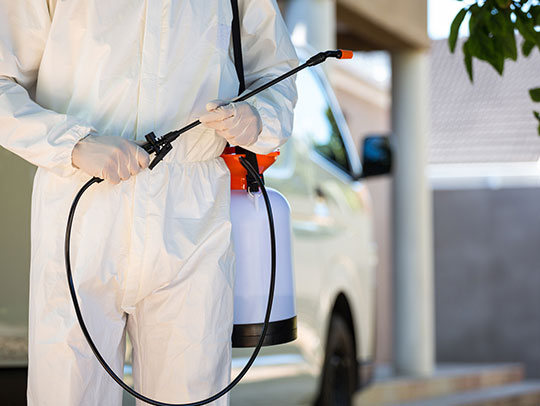



Steps to Take for Pest-Proofing Your Home This Fall

Steps to Take for Pest-Proofing Your Home This Fall

As temperatures begin to drop, many pests and nuisance wildlife start searching for warm, sheltered places to spend the colder months. Unfortunately, Pittsburgh homes and businesses often provide everything they need, including food, water and protection from the elements. Taking preventative steps before fall arrives can help reduce the likelihood of an infestation and minimize the need for emergency pest control services. To help, here are several effective ways to pest-proof your home and protect your property throughout the season.

At-Home Pest Control Tips for the Fall

Some of the best tips for keeping pests away from your property this fall include:

  1. Inspect and Seal Entry Points: Even small openings can provide access for rodents, insects and wildlife. Conduct a thorough inspection of your home’s exterior and seal any gaps or cracks you find. Repair any damaged screens and vents, and close openings around utility pipes and cables.
  2. Eliminate Food and Water Sources: Pests are often attracted to homes because they offer easy access to food and moisture. Store food in sealed containers, and clean up crumbs and spills promptly. Fix leaking pipes and faucets. Avoid leaving pet food outdoors overnight, so other critters aren’t lured to your front door.
  3. Maintain Your Yard: Your landscaping can play a major role in attracting or deterring pests. Trim tree branches away from your roof. Remove piles of leaves, wood, and debris. Keep grass mowed and vegetation maintained. Store firewood away from the home’s exterior. Regular yard maintenance helps reduce hiding places for rodents and other nuisance wildlife.
  4. Keep Gutters and Drainage Systems Clean: Clogged gutters can create standing water and damp conditions that attract insects and other pests. Clean gutters regularly and ensure downspouts direct water away from your home’s foundation. Proper drainage helps reduce moisture issues that often contribute to pest activity.

When to Call a Pest Control Professional

Early intervention can prevent a minor pest issue from growing into a larger and more costly problem. However, while these DIY pest control tips may help keep most nuisance wildlife away, it isn’t a foolproof guide. If you notice the following, it’s time to call in an pest removal expert:

  • Scratching or movement in walls or attics
  • Droppings around the home
  • Damage to insulation, wiring, or wood
  • Frequent sightings of wildlife near your property
  • Evidence of nesting activity

Get Expert Pest Control Service with Critter Control® of Pittsburgh

At Critter Control® of Pittsburgh, we use safe and effective methods to deter pests and keep them away. Our experienced animal removal technicians will quickly and safely remove nuisance wildlife and pests from your property and keep them from returning. To schedule your inspection and receive a free estimate for our fast and efficient services, call Critter Control® of Pittsburgh today at 412-767-4067.

10 Effective Ways to Rodent-Proof Your Home and Yard

10 Effective Ways to Rodent-Proof Your Home and Yard

Rodents may be small, but they can cause big problems if and when they invade your property. Rats, mice and squirrels can contaminate food, damage insulation, chew through wiring and create unsanitary conditions around your home. Fortunately, a proactive approach to rodent proofing both inside and around your home can help reduce the risk of a rodent infestation before it starts.

10 Rodent Proofing Tips for Your Property

Use these 10 effective strategies to protect your home and yard from rodent infestations.

  1. Seal Openings and Gaps: Inspect your home for cracks, holes and gaps around foundations, vents and siding. Even tiny openings can provide access for agile rodents. Seal entry points with durable materials such as steel wool and caulk.
  2. Install or Repair Door Sweeps: Damaged or missing door sweeps can create easy access points for rodents searching for food and shelter.
  3. Store Food Properly: Keep pantry items in sturdy glass or metal containers with tight-fitting lids. Pet food, and birdseed should also be stored securely to avoid attracting rodents.
  4. Clean Up Food and Water Sources: Wipe up spills promptly, avoid leaving dirty dishes overnight and repair leaking faucets or pipes.
  5. Protect Vulnerable Exterior Areas: Add metal flashing around pipes, vents and other openings to strengthen your home’s defenses. Rodents can chew through many materials, but metal barriers provide added protection.
  6. Declutter Storage Areas: Basements, attics, garages and crawlspaces are often ideal nesting locations. Keep these areas organized, and reduce clutter to limit potential rodent hiding places.
  7. Maintain Your Yard: Trim shrubs and vegetation away from your home, remove brush piles and keep grass cut short.
  8. Move Firewood and Debris: Wood piles and yard debris can become nesting sites. Store these items away from your home, and elevate firewood whenever possible.
  9. Use Natural Deterrents: Some homeowners use strong scents such as peppermint, garlic, vinegar, or pepper around their exterior. These odors may help discourage rodents from lingering around your property.
  10. Use Humane Traps: When signs of rodents first appear, humane traps may help address small issues before they become a larger rodent infestation. However, promptly contacting licensed and trained local rodent removal experts can prevent infestations from growing out of control.

Professional Rodent Removal and Prevention with Critter Control® of Pittsburgh

At Critter Control® of Pittsburgh, we use safe and effective rodent removal methods to address current infestations while helping prevent future problems from developing. Our proven process includes:

  1. Inspection: We’ll conduct a thorough inspection of your property to determine the size and extent of the problem.
  2. Removal: We use eco-friendly and humane techniques to remove rodents from your property.
  3. Prevention: We’ll install exclusionary techniques in vulnerable areas to prevent rodents from returning.
  4. Restoration: Any areas damaged or contaminated by the rodents during their stay are cleaned, sanitized and restored to pre-infestation conditions.

The experienced rodent control technicians at Critter Control® of Pittsburgh will quickly and safely remove nuisance rodents and other invasive wildlife from your property and keep them from returning. To schedule your inspection and receive a free estimate, call us at 412-767-4067.

Seasonal Pest Patterns: Addressing Yearly Pest Challenges

Seasonal Pest Patterns

Every season brings a new cycle of pests that are ready to infest properties in search of food, shelter and water. While some pests may be a greater nuisance than others, a pest infestation can lead to major health and safety issues for you and your property if not quickly addressed. Therefore, it is important to know which pests are most common during each season so you can deal with a seasonal pest infestation before it grows out of control.

The Life Cycles of Seasonal Pests

Understanding the life cycle of pests is a crucial part of knowing how to tackle seasonal pest control. A pest’s life cycle goes through four main stages:

  1. Egg
  2. Larva
  3. Pupa
  4. Adult

The lengths of each stage vary from pest to pest and may be impacted by other factors like the local climate and access to food and water.

Common Types of Seasonal Pests

Identifying a pest’s life cycle stage will help you know when they will lay their eggs and allow you to be more proactive about preventing an infestation.

Common Spring Pests

  • Mosquitos are typically active in May or June but can appear as early as February in some places.
  • Ladybugs are most active between spring and fall. During the colder months, ladybugs tend to seek shelter indoors, underneath rocks or in rotting logs.
  • Ticks start to appear from March to May but can be active whenever the temperature is above freezing.
  • Spiders are typically most active in late spring even though they can live year-round.

Common Summer Pests

  • Bees start to become active in the spring but are commonly seen during the summer months.
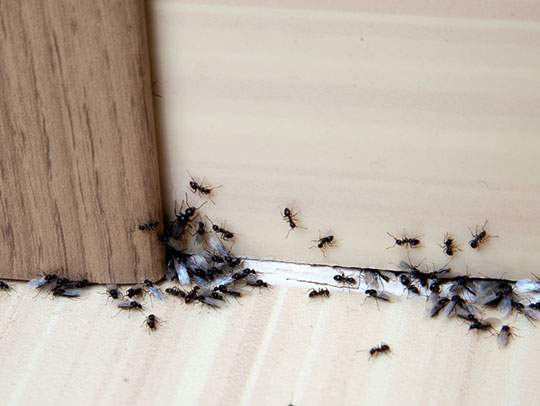
  • Ants multiply during the warm summer months. They typically enter homes at the first scent of anything sweet or greasy. A colony of black ants will invade your home If you don’t take the proper preventative steps.
  • Fruit flies are most active during the late summer months. They’re attracted to ripe or rotting food.
  • Pincher bugs are active during the spring and summer. However, they tend to be nocturnal and rarely invade homes.
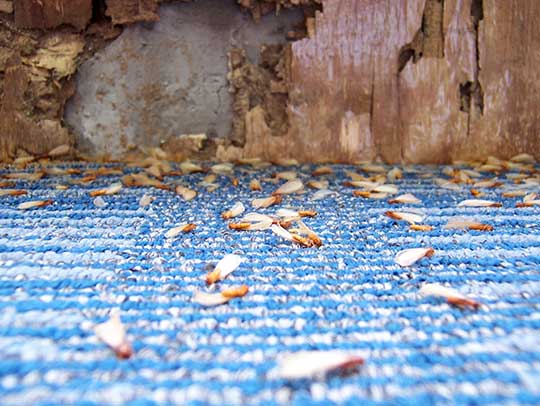
  • Termites are most active during warmer months, especially on a warm summer day after rainfall.

Common Fall Pests

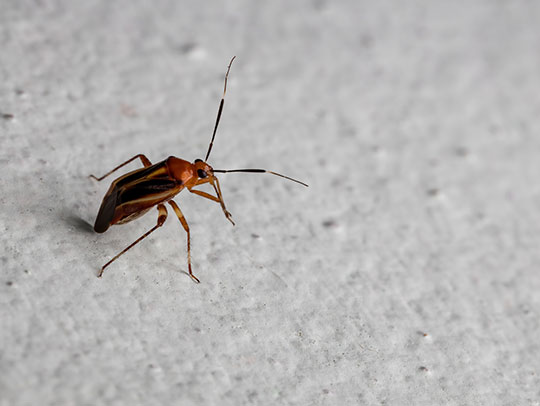
  • Stink bugs are most active in early fall when the weather is still relatively warm. They can invade any part of your home.
  • Cockroaches are in search of warmth, shelter and food during the fall and winter months, causing them to enter your home.
  • Beetles are most active during the fall in preparation for hibernation. They’re attracted to any room with warmth and food.

Common Winter Pests

  • Box elders are commonly seen on cold winter days. They typically hide in basements where it’s warm.
  • Bed bugs seek warmth by making their way into your home. However, they’re usually transmitted through second-hand furniture and clothing.

Seasonal Pest Control Tips

Seasonal pest control should be scheduled routinely, as pests invade properties year round, regardless of the season. To combat seasonal pests while you wait for professional pest control assistance, try some of these seasonal pest control tips:

  • Seal cracks and openings to prevent pest entry
  • Implement outdoor pest control measures
  • Install screens to keep flying pests out
  • Eliminate standing water to limit breeding sites
  • Trim trees and shrubs around your home regularly
  • Store food sources in secure containers
  • Store firewood away from your home
  • Keep the kitchen clean and free of crumbs
  • Inspect and vacuum mattresses regularly
  • Carefully inspect packages before bringing them inside

If the above tips don’t keep persistent pests out of your property, contact the seasonal pest control professionals at Critter Control® of Pittsburgh.

Seasonal Pest Control Services in Pittsburgh

To maintain a pest-free property year-round, rely on the effective and experienced pest control technicians at Critter Control® of Pittsburgh. Our licensed and trained experts will quickly and safely remove nuisance pests and other invasive wildlife from your Pennsylvania property and keep them from returning. To schedule your inspection and receive a free estimate for our fast and efficient pest control services, call Critter Control® of Pittsburgh today at 412-767-4067.
Preventing Insect Infestations with Natural Solutions for Common Bugs

Preventing Insect Infestations with Natural Solutions for Common Bugs

Insect infestations are the last thing you want to deal with in your Pittsburgh area home. Despite their small size, common household bugs can cause a lot of issues the longer they’re allowed to infest your property. Fortunately, there are some natural solutions you can use to prevent unwanted pests from taking over your home. Here are some eco-friendly ways to deal with insect infestations on your Pennsylvania property.

Common Insect Infestations

From rodents to roaches, Pittsburgh is home to an abundance of natural wildlife. Some of the most common insects in the Greater Pittsburgh area include:

  • Bees
  • Cockroaches
  • Ants
  • Mosquitoes
  • Spiders
  • Wasps

The sooner you act to protect your home against these insects, the easier it will be to remove them.

Natural Remedies for Insect Infestations

Dealing with a pest problem doesn’t always mean you have to work with dangerous chemicals and harmful traps. In fact, there are several natural ways to protect against insect infestations.

  • DIY Traps: Flies and other insects can be trapped with natural, easy-to-make traps. Fill an empty soda bottle with a sweetened mixture of water, sugar and vinegar. Flying insects won’t be able to leave because they’ll be trapped by the wetness of the mixture. For extra protection, cover the opening with plastic wrap and poke small holes for a one-way entrance.
     
  • Essential Oils: You can protect your home while also making it smell good with essential oils. Several oils provide a strong stench that overwhelms insects’ and other pests’ sense of smell, forcing them to avoid the area. Effective scents include tea tree, eucalyptus, mint, lemongrass and rosemary. To use this method, dilute the essential oils in water and spray the affected areas.
     
  • Using Household Ingredients: Oftentimes, you already have a method of pest control at your disposal without needing to buy it. Used coffee grounds are toxic to several insects and can be sprinkled in problem areas to ward them off. Banana peels are also a natural deterrent for garden pests.
     
  • Citronella: Citronella candles are often used to keep mosquitoes away from outdoor gatherings, but it’s effective inside the house as well. Citronella is a natural deterrent for getting rid of moths and roaches nesting in hard-to-reach places.
     
  • White Vinegar: White vinegar is effective in removing the chemical trails ants use to communicate. Make a solution of water, white vinegar and mint, and spray it around areas where ants frequent.

While natural remedies can be helpful in preventing insect infestations, most pest problems require professional solutions. Instead of doing it all yourself, rely on the effective, safe and affordable pest control services provided by our licensed, trained and experienced team at Critter Control® of Pittsburgh.

Professional Pest Control Services to Combat Insect Infestations

The expert pest control technicians at Critter Control® of Pittsburgh will use safe and eco-friendly practices to quickly and efficiently remove nuisance pests from your Pittsburgh home or property and keep them from returning. Schedule your inspection and receive a free pest control estimate by calling Critter Control® of Pittsburgh today at 412-767-4067.

Homemade Traps: Catch and Release Strategies for Annoying Pests

Homemade Traps: Catch and Release Strategies for Annoying Pests

As soon as you notice signs of nuisance pests in your Pittsburgh property, you should act fast to get rid of them. A safer alternative to store-bought snap traps or electric mouse traps, homemade catch-and-release traps are an effective form of DIY pest control to provide rodent relief until professionals arrive. Here are a few types of homemade traps that can temporarily ease your growing pest problem.

DIY Pest Control Trapping Methods

  • Bucket Trap: The bucket trap is one of the easiest DIY traps to make. Simply place a bucket over a location you suspect the pests are frequenting, and rest a piece of lumber as a “ramp” to the top of the bucket. Bait the trap with a line of peanut butter or sunflower seeds. Once the rodents smell the bait, they’ll climb up the lumber ramp and fall in. To ensure they slide in and can’t get out, take a sheet of thick material such as contractor’s paper, wrap it around the lid of the bucket, and secure it with duct tape or twine. Cut an “X” in the center of the paper, so the critters have a place to fall in.
  • Can Trap: This DIY pest control method will effectively lure rodents in for catch-and-release. Start by drilling two holes in an empty soda can. Unwind a wire coat hanger until you have a straight wire rod, and thread it through the can. Attach the wire to the top of a bucket or large container, and bait your trap by covering the can in peanut butter. The bait is at eye-level on the trap, so the pests are more likely to fall in by walking on a suspended wire.
  • Paper Plate Trap: Cut a paper plate in half and poke two holes near the flat edge roughly an inch apart. Thread some string through the holes, leaving it taut. Tie the ends of the strings on opposite sides of a bucket, and spread bait on one end of the plate while placing a small piece of wood or pencil on the other. As the pests move toward the baited end of the plate, their weight will tip the plate and drop them into the bucket.

The Problem with DIY Pest Control

While DIY pest control may be an effective temporary solution, it’s not a permanent answer to your pest problems. While baited live capture traps will humanely contain pests until they can be released in a safe location away from your property, they must be monitored regularly so the caught pests can be released before they starve. Furthermore, attempting to handle or remove invasive pests yourself can put your well-being at risk as many pests will bite or scratch and are carriers of infectious diseases. That’s why you should instead rely on the effective, safe, and humane services provided by the licensed and trained wildlife removal experts at Critter Control® of Pittsburgh.

Professional Pest Control Services Near You

The experienced pest control technicians at Critter Control® of Pittsburgh will quickly and safely remove nuisance pests and other invasive wildlife from your Pennsylvania property and keep them from returning. To schedule your inspection and receive a free estimate for our fast and efficient pest control services, call Critter Control® of Pittsburgh today at 412-767-4067.
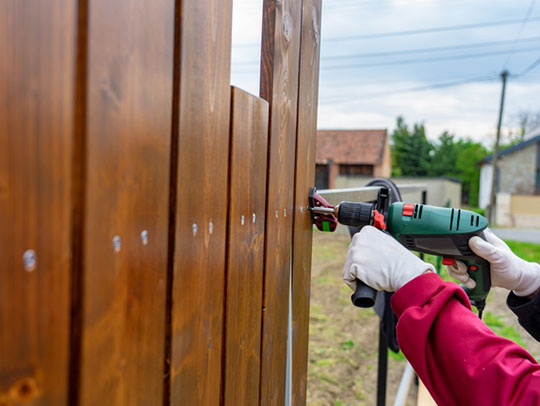
Fencing Solutions for Wildlife Control: Keeping Intruders Out

Fencing Solutions for Wildlife Control: Keeping Intruders Out

If you have a carefully curated lawn or a beautifully cultivated home garden, keeping pests out may be among your top concerns. There are many ways to keep pests out of your yard and garden, but one of the most effective methods is surrounding it with a secure fence. Here are some different fencing options that you can utilize to help keep raccoons, rats, squirrels, moles, and other pests away from your home and garden.

3 Common Fencing Options for Wildlife Control

  1. Electric Fencing Popularly known for the minimal shock it provides to deter invasive animals, electric fencing is extremely effective at encouraging pests to stay far away from your property. That said, this measure is often seen as an extreme and inhumane method for wildlife control. If electric fencing sounds too intense for your property, there are several other fencing options you can choose from.
     
  2. Solid Fencing Solid fencing is likely what most imagine when picturing traditional fencing. This type of fencing will block the view of your yard and garden, which is its main defense against pests. That said, this fence type will also obstruct your view of anything beyond your yard and garden, which makes it undesirable to some. Furthermore, solid fencing is often easily scaled by agile and tenacious critters like raccoons, rats, and squirrels.
  3. Wire-Mesh Fencing While a traditional chain-link fence will do little to keep unwanted wildlife off your property, adding mesh-wire fencing around your yard and garden can help protect your plants and produce from hungry critters. Such fencing, like chicken wire fencing, is designed with openings that are too small for larger pests to pass through.

If your fencing solutions are not keeping intrusive pests off of your property, then rely on the licensed, trained, and experienced wildlife control experts at Critter Control® of Pittsburgh.

Keep Pests Out with Critter Control® of Pittsburgh

At Critter Control® of Pittsburgh, our team of wildlife control experts are skilled at quickly and safely removing any existing wildlife issues on your property. We will also restore any infestation-related damage and install preventative measures on your property to ensure unwelcome pests are kept out and cannot return, keeping your home and garden safe from invasive wildlife.

To schedule an inspection of your Pittsburgh-area property and receive a free estimate for our wildlife control and prevention services, contact Critter Control® of Pittsburgh today by calling 412-767-4067.

Landscaping for Wildlife Prevention: Plants That Deter Pests

Landscaping for Wildlife Prevention: Plants That Deter Pests

Invasive pests like rodents, raccoons, and other critters are naturally drawn to home gardens in search of easily accessible food. Unfortunately, the pests will destroy the plants you’ve worked so hard to cultivate as they feast. However, there are actually a number of pest deterring plants that you can add to your garden to help repel unwanted pests away.

Plants for Wildlife Prevention

Here are some plants that you can use to repel nuisance pests from your home garden.

  • Lavender There are few smells more pleasant than that of lavender. However, many pests find lavender’s lovely scent to be extremely intense and overwhelming. By planting lavender in your garden, you can reap its benefit while keeping pests like rodents and mosquitoes out.
     
  • Garlic Another smell that many pests find extremely intense is garlic. This is why you may hear people recommend sprinkling granulated garlic around problem areas of your home to deter pests. If pests are causing a problem in your garden and indoors, sprinkling the garlic in your pantry should do the trick.

    However, keep in mind that if you use granulated garlic as a substitute, it will have to be replaced frequently in order to remain consistently effective. Planting garlic in your garden, on the other hand, will give you a constant supply that requires little maintenance beyond your usual garden tending to remain an effective deterrent.
  • Rosemary Another herb with a smell that humans love but pests hate is rosemary. Rosemary is often found in pantries and is great for deterring rodents, like mice and rats. It can even help keep deer out of your garden.

While planting pest deterring plants is a good start in wildlife prevention, they will do little to keep a hungry pest from burrowing into your home. If pests have moved beyond your garden and into your residence, then skip the gardening and instead call the pest control professionals at Critter Control® of Pittsburgh to handle all of your wildlife prevention needs.

Rely on Local and Effective Wildlife Prevention Services

At Critter Control® of Pittsburgh, we have a knowledgeable, equipped, and experienced team that knows all of the most effective methods for keeping invasive pests away from your property. Whether you have an existing pest problem or you want to prevent one from starting, our wildlife prevention and removal experts can help.

For more information on our quick and safe wildlife prevention and removal services, contact Critter Control® of Pittsburgh today at 412-767-4067 and schedule an inspection of your Pennsylvania property to receive a complimentary estimate for our wildlife prevention services.

The Environmental Impact of Pest Control: Eco-Friendly Alternatives

The Environmental Impact of Pest Control: Eco-Friendly Alternatives

Pest control is important to keep your loved ones and property safe from disease and damage. However, effective pest control should not come at the risk of harming the environment. Some traditional pest control methods contain toxic chemicals that can have a severely negative impact on your local ecosystem. Therefore, it is important to know the effects of different pest control methods on the environment and search for eco-friendly alternatives.

Environmental Impact of Pest Control

For many years, traditional pest control was mostly done with pesticides. While it’s effective at eliminating pests and their infestations, it actually does more harm than good. Pesticides can remain in the environment for months or years. Additionally, these chemicals accidentally kill more than their intended target. Helpful pollinators, such as honeybees, butterflies and hummingbirds, often ingest pesticides. The use of these chemicals has caused a decline in these crucial critters, putting our natural world at risk.

Eco-Friendly Pest Control Methods

Before reaching for pest spray, it’s important to first look for natural solutions. Eco-friendly pest control techniques are much safer on the environment and won’t accidentally harm beneficial animals. There are several natural pest control methods you can try, such as:

  • Pest-deterring plants: The first step in keeping pests away is making healthy soil for your yard, which will attract useful insects. Then, you can invest in flowery plants that are less attractive to unwanted pests. Several plants, such as lavender, lemongrass, marigolds, and chrysanthemums provide built-in pest control due to the strong scents they emit that repel rodents and other pests with sensitive noses.
     
  • Naturally repelling sprays: There are also several herbs and spices that are overwhelming to pests and act as natural deterrents. Mint, basil, rosemary, cayenne pepper, and garlic cloves are eco-friendly scents that can be mixed with water and sprayed to keep pests away.
  • Eco-friendly cleaning: Vinegar is a powerful acid often found at home that can be used as a DIY pest control. By mixing a cup of water, a quarter cup of vinegar, and a teaspoon of essential oil, you can naturally remove pest-related messes and keep unwelcome critters at bay.

While these DIY methods may help prevent an infestation from starting, they won’t do much to remove invasive pests that have already moved in. If the above remedies aren’t working, then it’s time to call the pest control experts. It’s important to find a company certified in eco-friendly techniques to ensure minimal risk to the environment while taking care of your pest problem. That’s where Critter Control® of Pittsburgh comes in.

Professional and Eco-Friendly Pest Control Services

At Critter Control® of Pittsburgh, our licensed and trained technicians use effective, safe, and eco-friendly pest control services to remove nuisance pests from your home and keep them from returning. We start by fully inspecting your property to determine the size of your infestation. Then, we will develop a specific pest control plan to permanently remove all unwanted pests, decontaminate any messes the critters left behind, and safeguard your property to prevent future infestations. To schedule your inspection and receive a free pest control estimate, call us today at 412-767-4067.

Preventing Pests in the Workplace: Best Practices for Business Owners

Preventing Pests in the Workplace: Best Practices for Business Owners

No business owner wants to deal with the hassle of exterminating an infestation on their property. Getting rid of pests can be costly, and repair bills from the damage pests have caused can sometimes even exceed that. Luckily, there are a number of things you can do to prevent pests from infesting your place of business.

Commercial Pest Control Prevention Methods

  • Store Food Properly –Pests find their way onto commercial properties for two reasons: food or shelter. Both of these things can be found in improperly stored food, be it in pantries or trashcans. Storing all food in sealed containers is the most foolproof way to prevent pests from accessing it. However, simply shutting all containers tightly and   goes a long way in reducing the need for commercial pest control services.
     
  • Keep a Clean Workplace –Humans are messy, and everything from our leftover lunch to the dust around your desk can attract pests. Keeping a clean workplace is key to stopping a potential infestation from forming right under your nose. Cleaning and sweeping up crumbs, wiping down counters, and washing dishes all take but a few minutes, but go a long way in preventing pests.
     
  • Maintain Repairs –While pests themselves can cause damage to your commercial property, damage that’s already present can attract them. Holes in the roof or exposed openings serve as the perfect entryways for pests. Some pests are also attracted to the cold and moist environment formed by leaky pipes.

    Such repairs are not limited to the inside of a property. Exterior landscaping is also key to preventing pests from entering a business. Large piles of refuse, cluttered gutters, and untamed grass all serve as luxury condominiums for pests. This could lead to them exploring the property further for food, or attempting to relocate indoors if their homes are suddenly disturbed.
     
  • Inspect Incoming Items –Pests love hiding in the places people least expect. One of the simplest ways for preventing pests from getting into your place of business is to inspect incoming items, particularly cardboard packages and furniture, to make sure no pests have built hidden nests inside of them.
  • Call a Commercial Pest Control Service –When it comes to pest control prevention, no DIY method is more effective than hiring an experienced and accredited commercial pest control service. Not only can they remove any unwanted pests from your property, but pest control experts also know the most effective ways of preventing pests from invading in the first place.

Reliable Commercial Pest Control Professionals in Pittsburgh

The experienced commercial pest control technicians at Critter Control® of Pittsburgh will quickly and safely remove nuisance pests and other invasive wildlife from your Pennsylvania commercial property and keep them from returning. To schedule your inspection and receive a free estimate for our fast and efficient commercial pest control services, call Critter Control® of Pittsburgh today at 412-767-4067.

The Impact of Pests on Businesses: Why Commercial Pest Control is Crucial

The Impact of Pests on Businesses: Why Commercial Pest Control is Crucial

Pests may be small, but they can have a big impact on your business. Unforeseen pest infestations can lead to significant damage to your business, from your building’s infrastructure to your customers’ peace of mind. Reliable commercial pest control is key in curbing the destructive effects of a plague of pesky pests.

The Risks of Commercial Pest Infestations

  • State Regulatory Fines & Penalties –Every industry has rules barring the presence of pests on a commercial property. If you run a restaurant, infestations can cause your business to incur severe penalties if pests are found during a routine inspection. It’s best to hire commercial pest control professionals early to exterminate the problem and install preventative measures to avoid costly fines or potential closures.
     
  • Damaged Reputation –Nobody likes to find a fly in their soup or a bug in their bed. The presence of pests on a commercial property can severely hamper a business’ reputation, leading to a potential loss of revenue as repeat customers stop returning and new clients stay away.

    Even if a business doesn’t have an active infestation, consultation from a commercial pest control service could actually help bolster their reputation. Many customers may find peace of mind in knowing, beyond a reasonable doubt, that there are no pests on the premises.
  • Structural Damage –Pests aren’t just nuisances to people. They can cause real damage to the building a business resides in. Termites and other similar insects can eat away at the foundation of wooden structures, small animals can tear up insulation to build a nest, and rats can destroy the wires of electrical equipment.

    All of these damages can be costly to repair, and if the damage is severe enough, it could require a complete remodel. These costs quickly add up to more than even the most expensive commercial pest control service, which doesn’t include the revenue lost when your business is shut down for repairs.
  • Employee Injury or Sickness –Employees are the lifeblood of any business, and a pest infestation puts them at direct risk. Pests are infamous vectors for disease, leading to severe sickness in team members if left to fester within the walls of a business. Pests can also cause direct injury to employees, with bites, stings, and scratches ranging from painful to deadly.

Effective Commercial Pest Control Services in Pittsburgh, PA

If your commercial property is overrun with nuisance pests, then rely on the commercial pest control experts at Critter Control® of Pittsburgh. Whether you have an existing pest problem or want to prevent one from ever starting, you can count on us for safe and effective services. To schedule an inspection for your Pennsylvania business and receive a free commercial pest control estimate, call Critter Control® of Pittsburgh today at 412-767-4067.
Get them out.
Keep them out.
Call For A Fast & FREE Phone Estimate Today
BBB - Accredited Business
Contact Form